The Real Bottleneck in Robotics Isn’t Hardware. It’s Deployment.
TL;DR Summary Walk into most manufacturing facilities across the U.S. You won’t see outdated robots. You’ll see none at all. Not because robots don’t work. But because deploying them still requires: • Engineers on standby That’s not scalable for the majority of operations. Every other industry solved this. Software didn’t win because it was more powerful. It won because it removed the need for expertise at the point of use. Anyone could log in and use it. Robotics hasn’t reached that point. Because robots don’t just need software… They need real-world understanding. Robots don’t fail in demos. They fail in production. • A slightly damaged box And when that happens? Everything stops. An expert gets called in. Time is lost. Costs increase. The companies that scale robotics won’t be the ones with better demos. They’ll be the ones that build continuous learning systems in production. That means: Learning from real operators Not months later. Immediately. Fizzion isn’t just a data provider. It’s a deployment + learning system. We capture first-person (POV) data from real operators in real environments: • Warehouses (pick, pack, ship) This trains models on how work is actually done. Not how it’s supposed to be done. When robots hit edge cases (they always do): A remote operator steps in instantly. The task gets completed. Operations continue. No downtime. Every intervention becomes structured data: • What failed Delivered as: • RGB + depth + sensor data From: “Deploy robots and hope they work” To: “Deploy robots that learn every time they don’t” The reason 80% of facilities have no automation isn’t cost. It’s complexity. Fizzion removes that by: • Eliminating downtime with teleops Edge cases → become known cases And suddenly… Robotics works outside of controlled environments. The future of robotics isn’t about building smarter machines in isolation. It’s about building systems that learn while working. That’s how you move from: A cool demo…
Robotics isn’t limited by hardware—it’s limited by how difficult it is to deploy and improve robots in real-world environments without constant expert intervention.The Problem No One Talks About
• Custom integrations
• Ongoing troubleshooting
• Continuous retrainingWhy Robotics Hasn’t Scaled Like Software
Where Things Actually Break
• A new SKU
• Lighting changes
• Unexpected human behaviorThe Missing Layer: Real-World Data Loops
Capturing real failures
Turning those into usable training dataHow Fizzion Solves This
1. Start With Egocentric Data (Before Deployment)
• Manufacturing workflows
• Logistics operations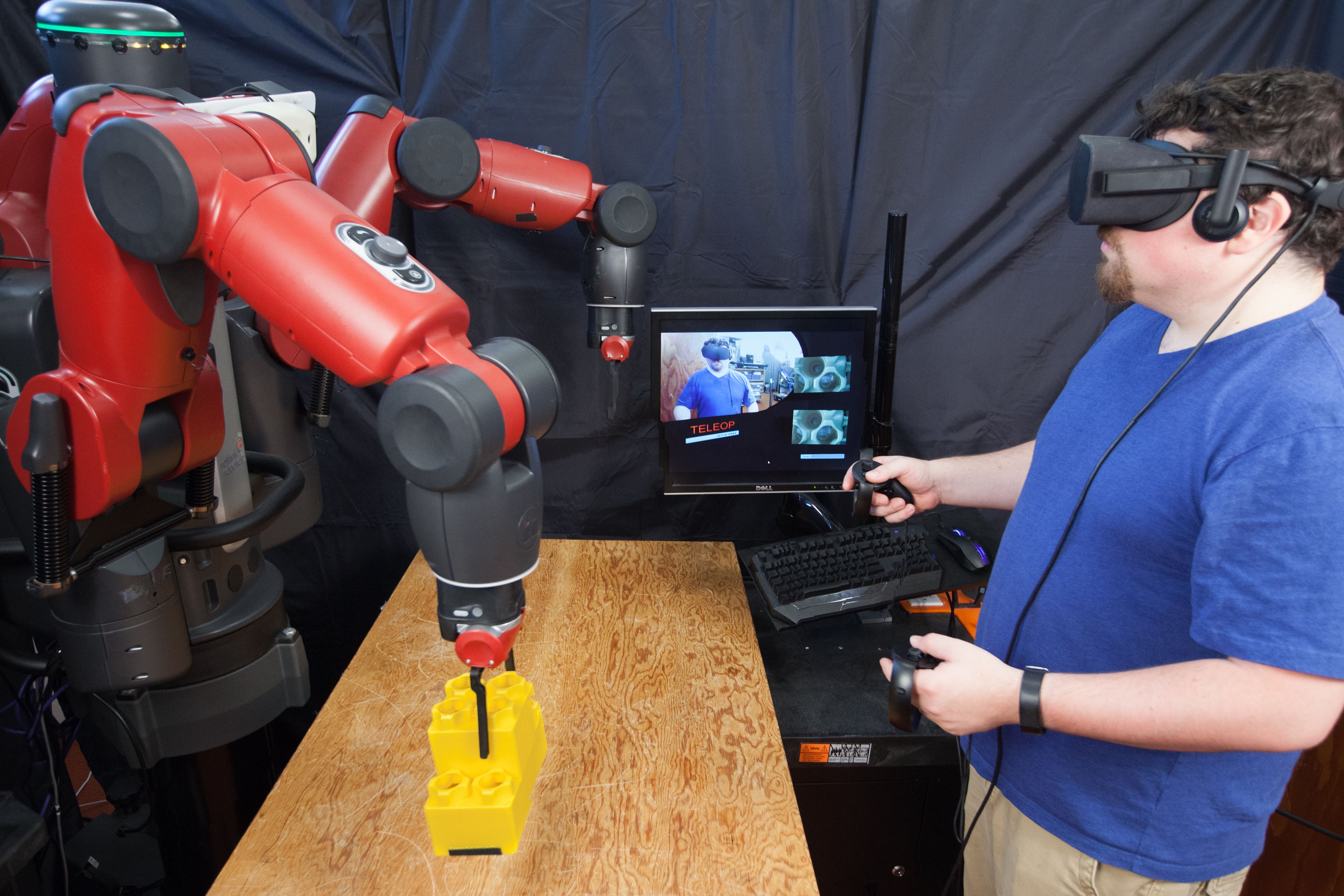
2. Keep Operations Running With Teleoperations
3. Turn Every Failure Into Training Data
• What the human did
• How it was resolved
• What the environment looked like
• Time-synced
• Annotated
• Clean and model-readyThe Real Shift
Why This Unlocks the 80%
• Replacing expert intervention with operator-driven learning
• Continuously improving models with real-world dataWhat Happens Over Time
Known cases → become automated
Automation → becomes scalableFinal Thought


Did you enjoy this article?